News: The Baltimore Sun: 3-18-26

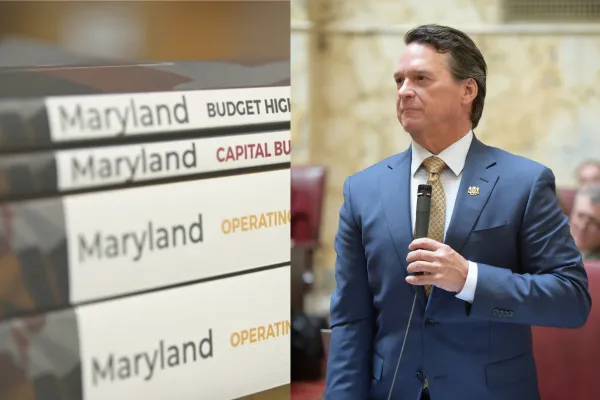
Senate Passes State Budget — Hershey Raises Concerns on Long-Term Fiscal Outlook
Annapolis, Md.— The Maryland Senate this week passed a $70.8 billion state budget aimed at closing a $1.4 billion deficit—decisions that will directly impact taxpayers, local governments, and the state’s long-term financial stability.
While the plan avoids new taxes and fees this year and projects a modest $250 million surplus, Senate Minority Leader Steve Hershey raised concerns that the approach falls short of addressing Maryland’s larger fiscal challenges.
In a 40–6 vote, the Senate approved the operating budget, along with the Budget Reconciliation and Financing Act (BRFA), which implements key elements of the plan. The proposal largely aligns with Governor Wes Moore’s original budget, including program adjustments and funding shifts to manage the deficit.
Senator Hershey voted in opposition to both measures, emphasizing the need for a more sustainable, long-term strategy.
“I recognize that this year’s operating budget avoids broad-based tax and fee increases,” Hershey said. “But I want to be clear—this is not a long-term fiscal solution. Maryland is still facing a structural deficit approaching $3 billion in the coming years.”
Hershey cautioned that postponing difficult decisions now could create greater financial strain in the future, ultimately impacting taxpayers and essential services.
“Fiscal responsibility is not just about balancing the budget today,” he added. “It’s about ensuring stability and sustainability for the years ahead.”
Throughout the budget process, Senate Republicans pushed for amendments focused on providing relief to Maryland families and improving the state’s economic competitiveness. Those proposals included efforts to roll back recent fee increases and reduce burdens on businesses, though most were not adopted.
As the budget moves to the House of Delegates for consideration, Senator Hershey said the focus must remain on protecting taxpayers while addressing the state’s long-term financial outlook.
“We need to make responsible decisions now that prevent larger problems later,” Hershey said. “That means focusing on affordability, economic growth, and a budget that is sustainable—not just for this year, but for the future.”
The House will now take up its version of the budget before negotiations continue between both chambers in the weeks ahead.